The Archaeological Collection in Aranđelovac comprises around 1,000 artifacts from various periods of human civilization, ranging from prehistory to the early modern era.
Highly specialized tools, such as flint leaf-shaped and triangular points, stone spearheads for hunting game, flint scrapers for processing leather and fur, as well as numerous bone tools (daggers, awls, needles, etc.), testify that our distant relatives from the Ice Age were intelligent and conscious beings who adapted remarkably to their natural environment, while also shaping it to suit their needs.
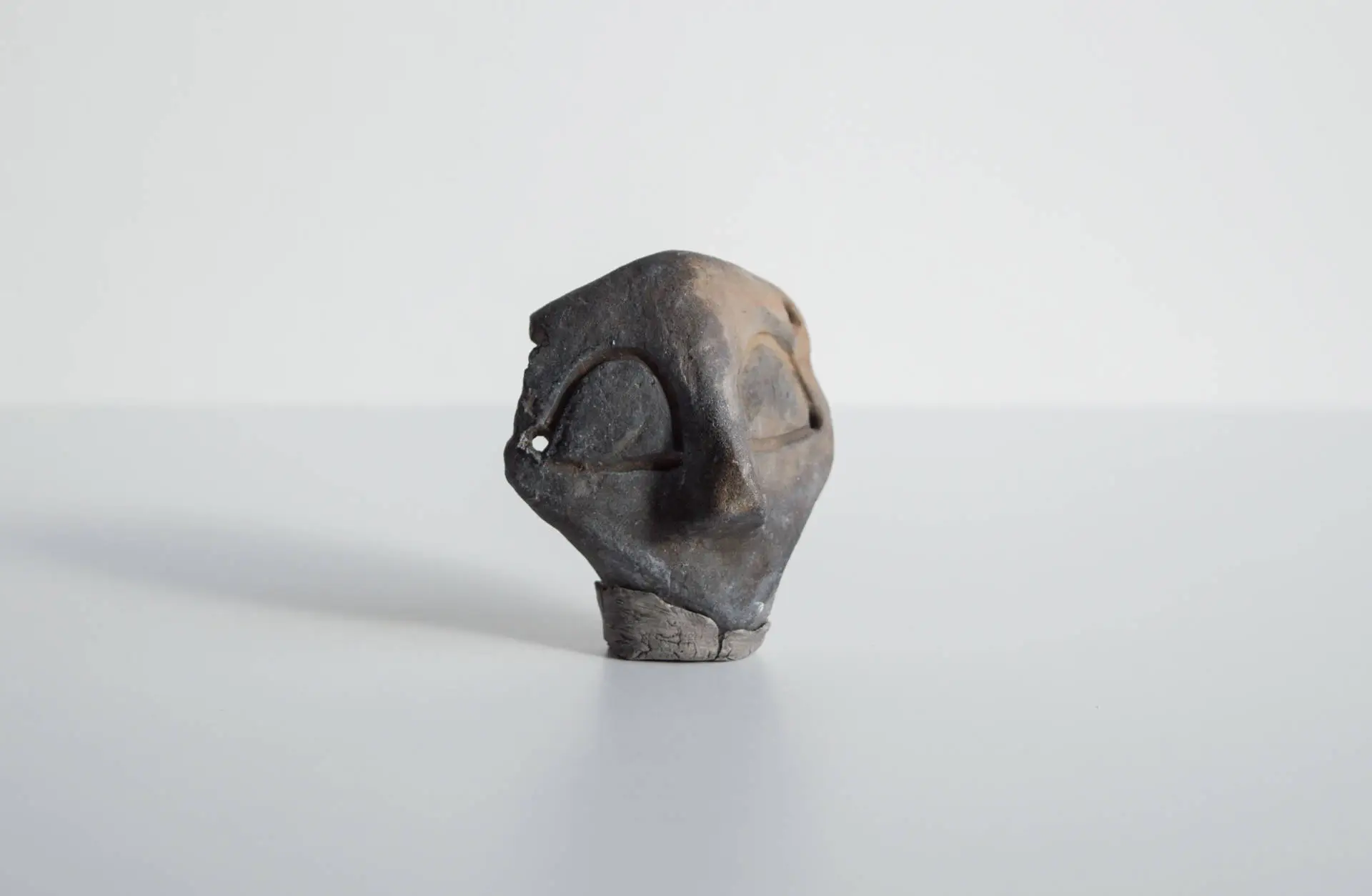
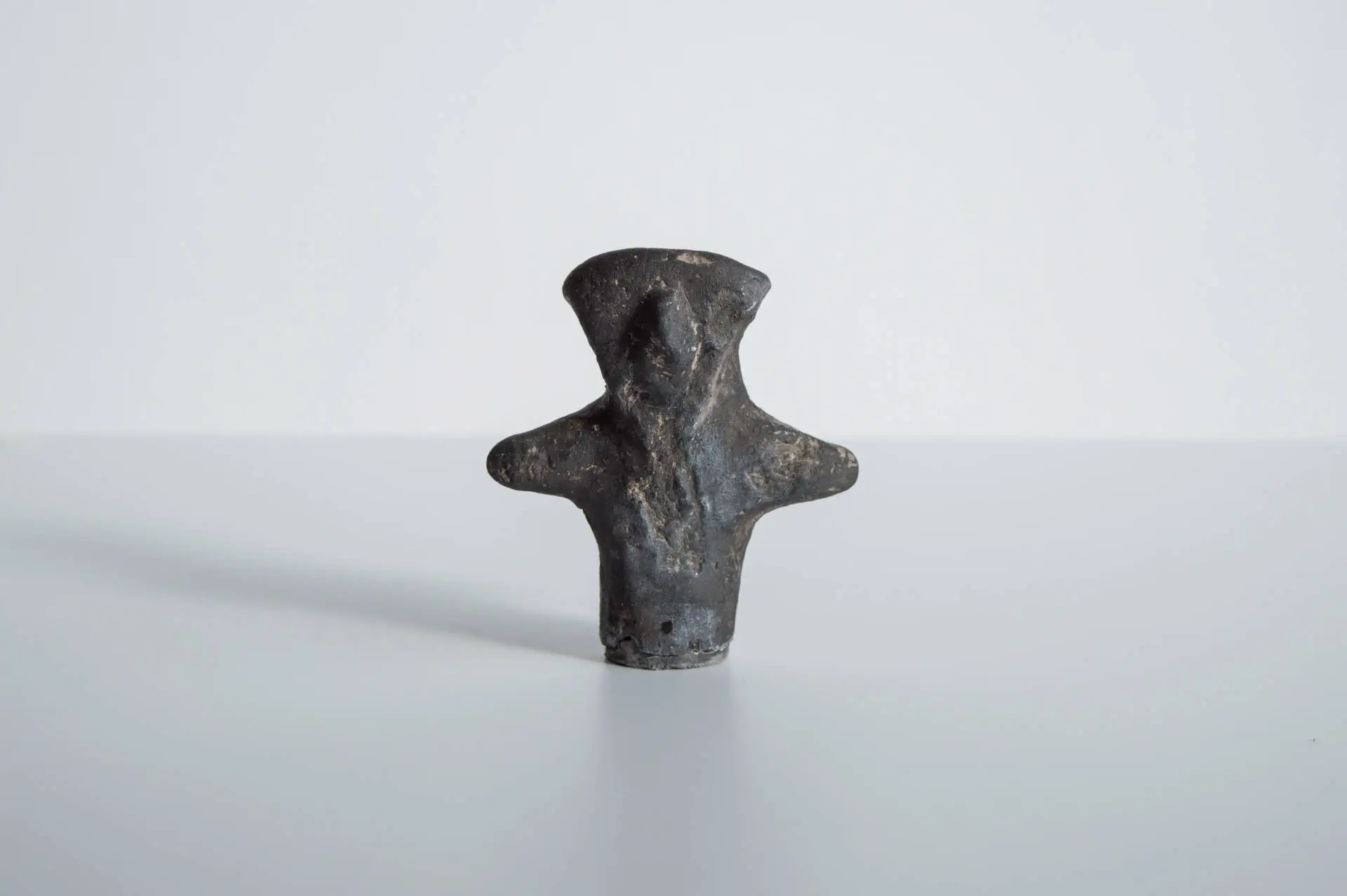
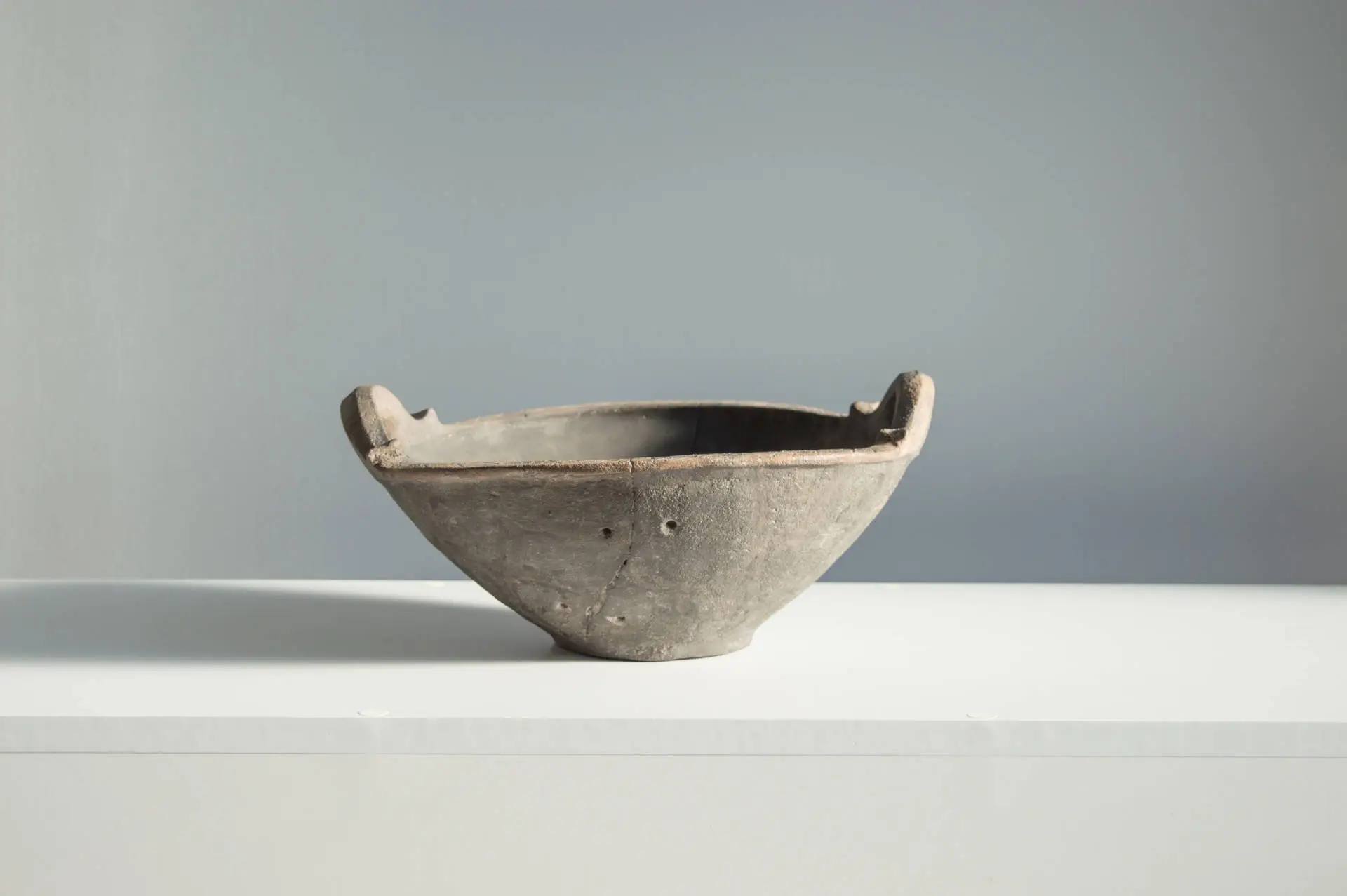
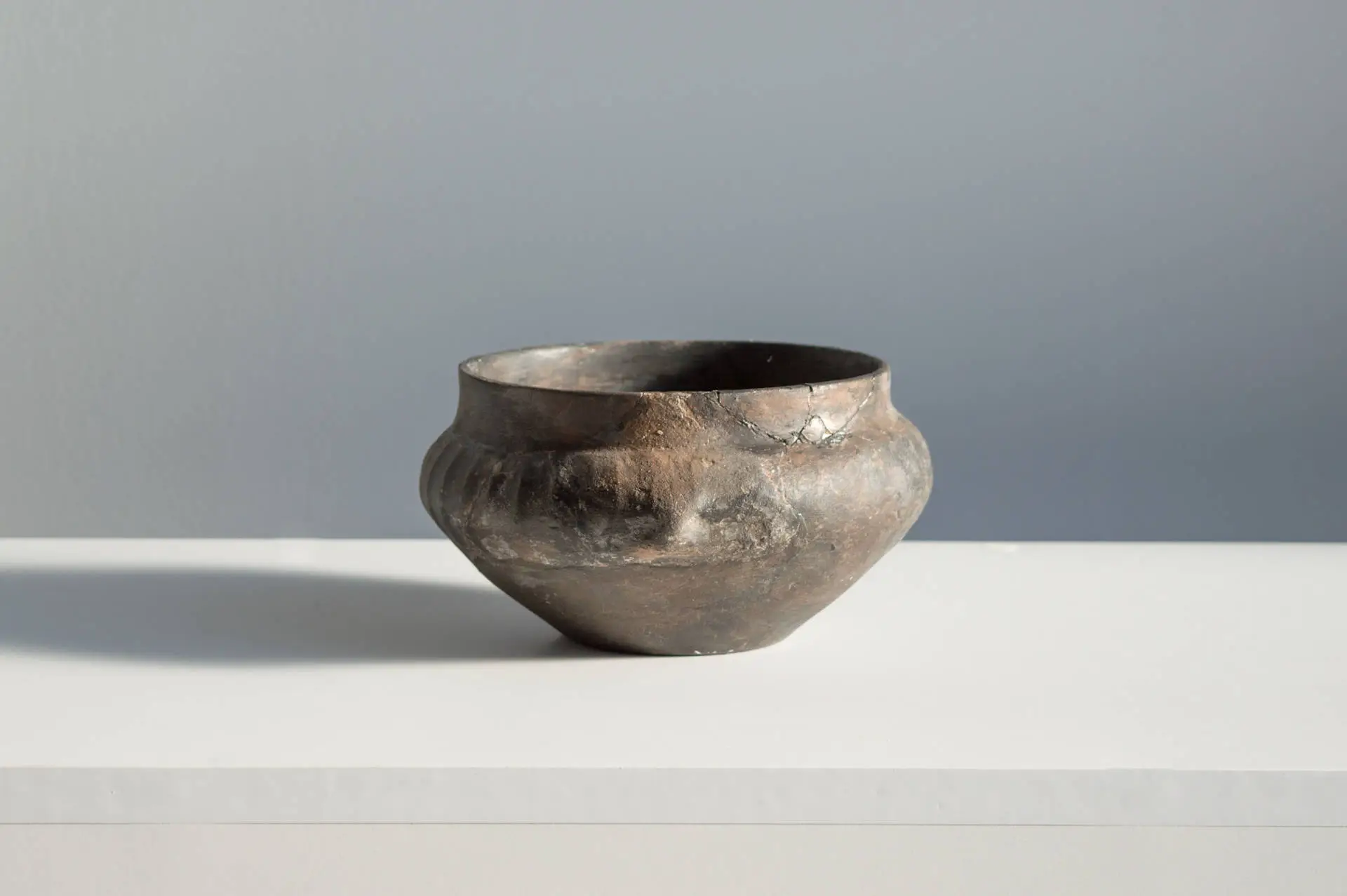
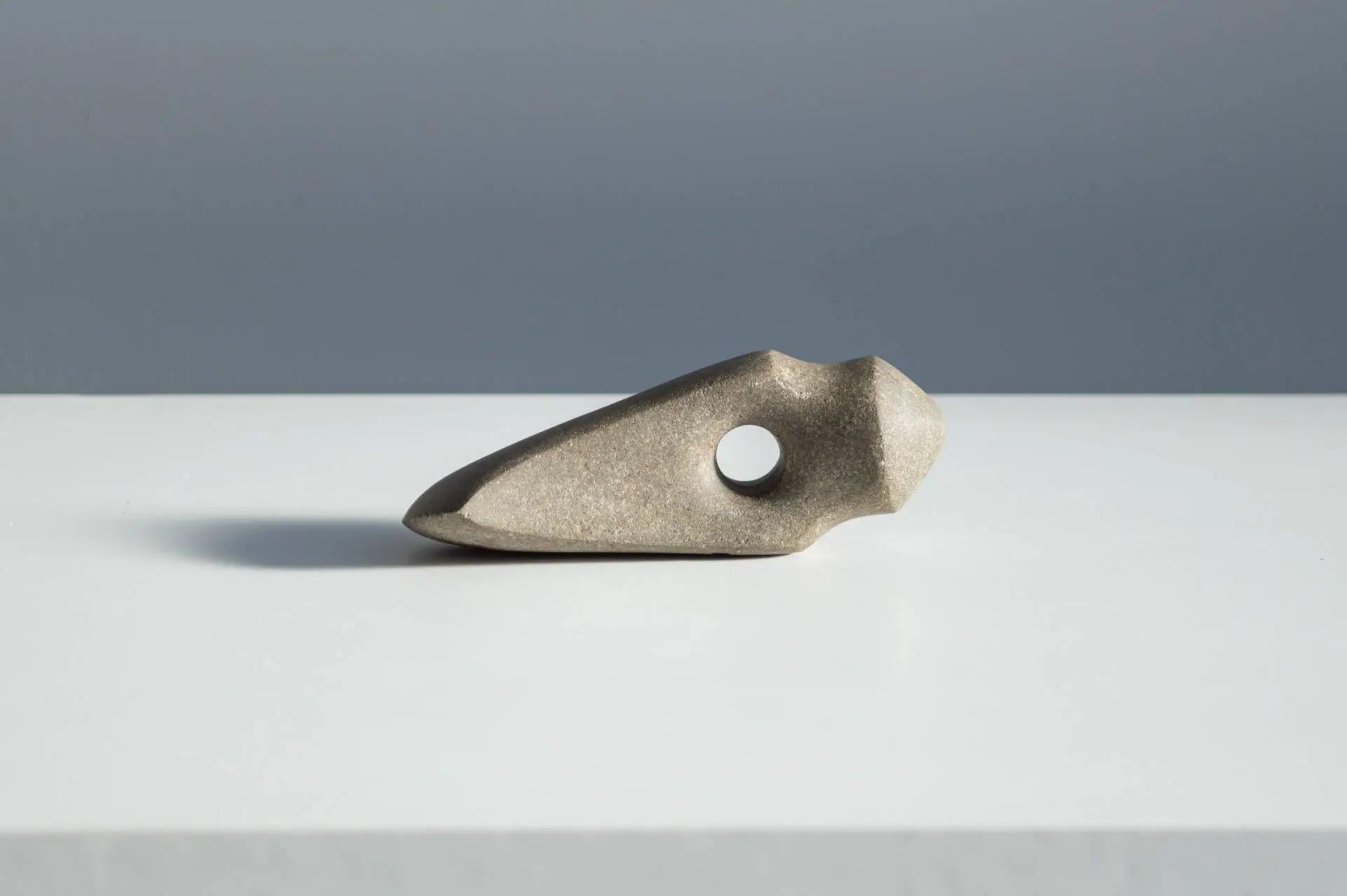
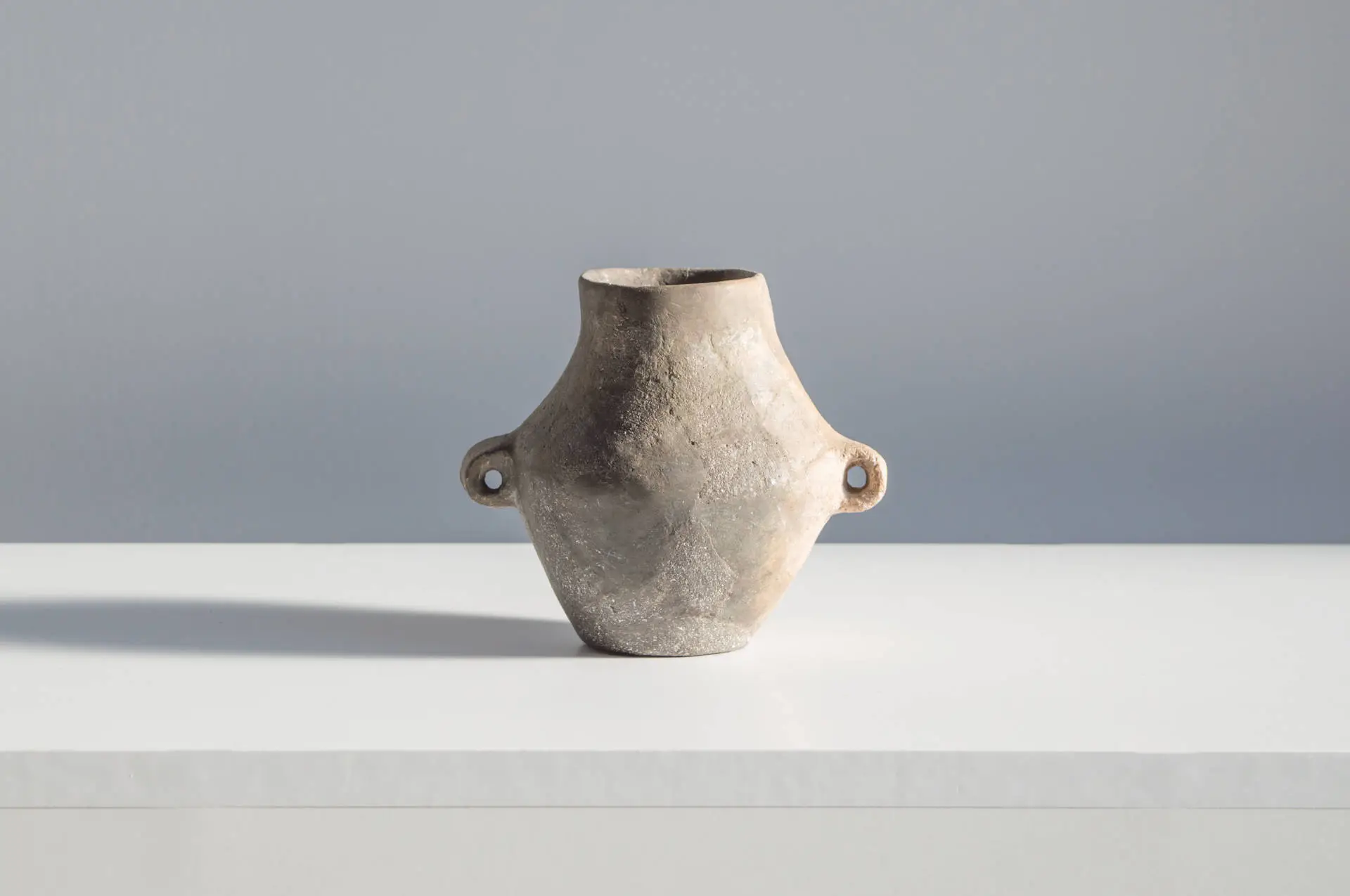
In the Neolithic, or New Stone Age, the population adopted a sedentary way of life, settling in permanent communities. By practicing agriculture and animal husbandry, for the first time in their history people produced their own food and made extensive use of clay to create a variety of objects. In the Early and Middle Neolithic, the Starčevo culture developed in the central Balkans, represented in the Aranđelovac area by the settlement at the Polja site in the village of Banja. In the Late Neolithic, spanning nearly a millennium, the Vinča culture flourished — the leading Neolithic culture of Southeastern Europe. The museum collection preserves a large number of artifacts (ceramic vessels, weights, anthropomorphic and zoomorphic figurines, altars, stone tools and weapons, etc.) from sites such as Dizaljka–Lipovac, Popovića Ornica–Stojnik, Kapetanove Njive–Belosavci, and others.
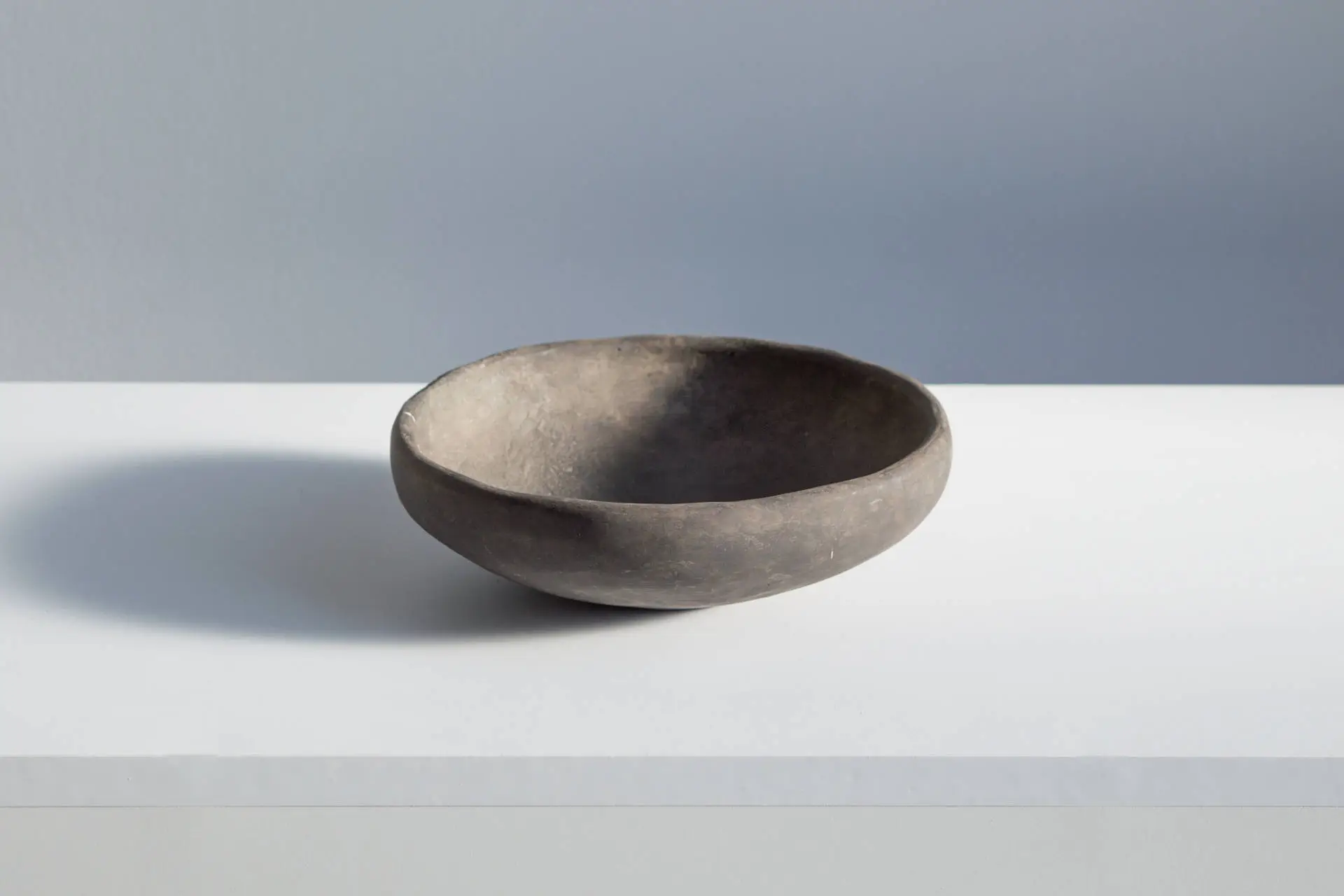
The use of metals brought profound changes to both the everyday and spiritual life of ancient human communities in the central Balkans. The existence of Copper Age cultures in this region is confirmed by finds from the settlement at Ćelova Glavica in Orašac. This was a gradina — a hilltop settlement fortified with a palisade. To this epoch also belongs the site Učiteljev Predel – Čović Gaj in Kopljari, which yielded a significant number of movable finds, mainly tools and fragments of ceramic vessels. Among the Bronze Age discoveries from the Prehistoric Collection, an outstanding specimen is a bronze axe made by casting and forging, found at the Medna site in the village of Jelovik. From the Iron Age, which marks the end of prehistory as the earliest and longest epoch of human past, comes a black-burnished ceramic bowl of unusual form, discovered at the Nedića Trlo site in Vrbica.

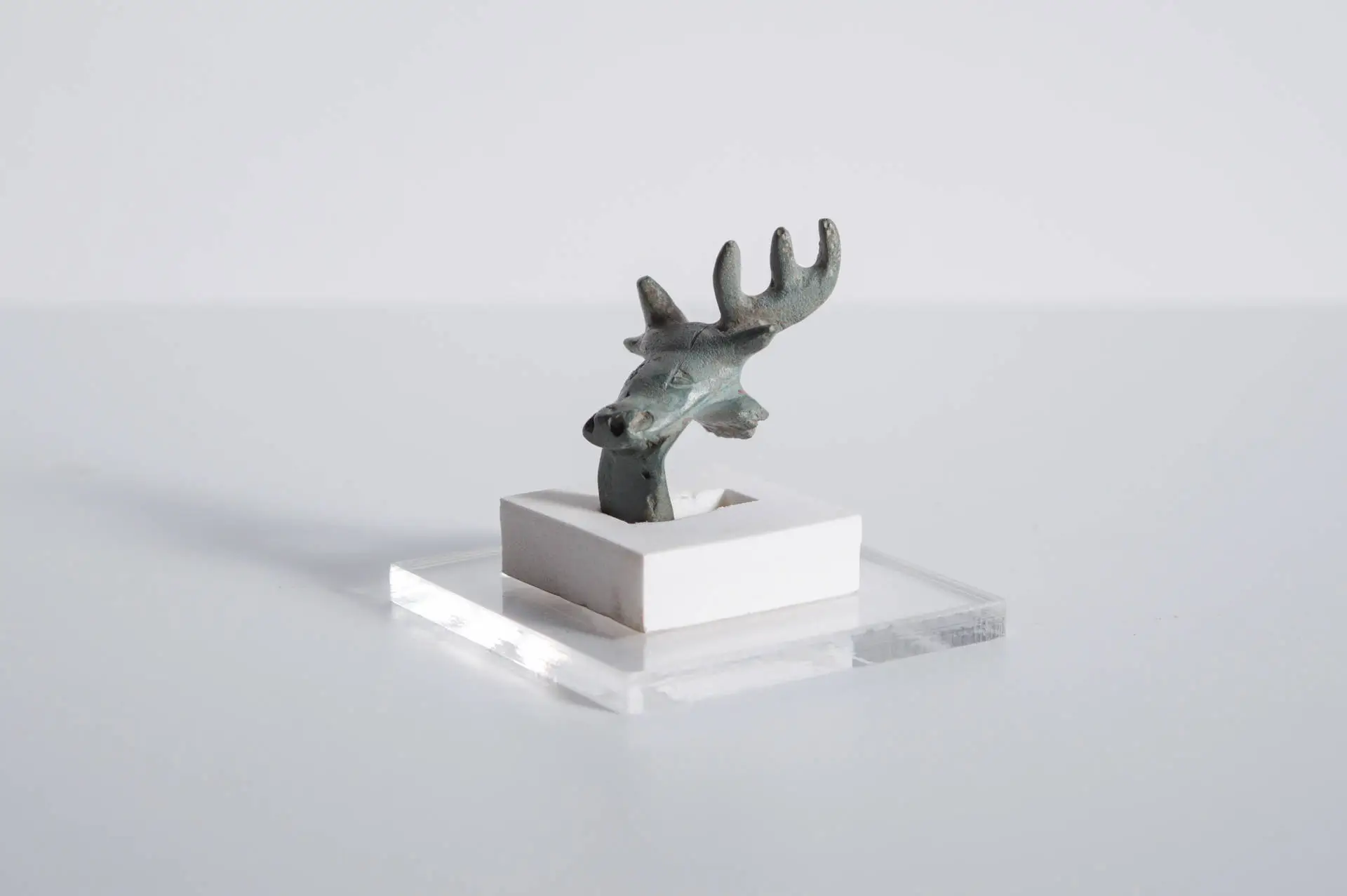
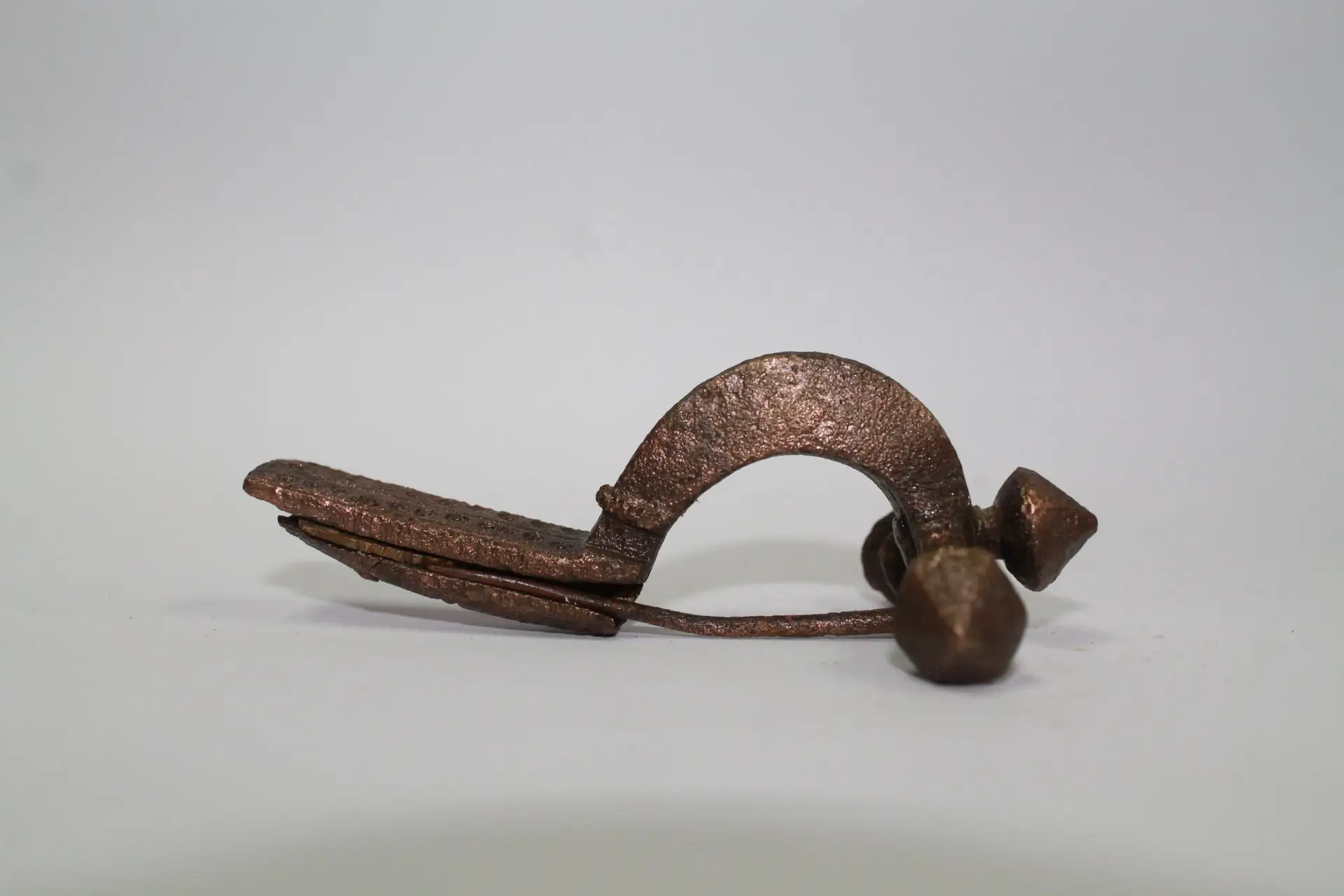
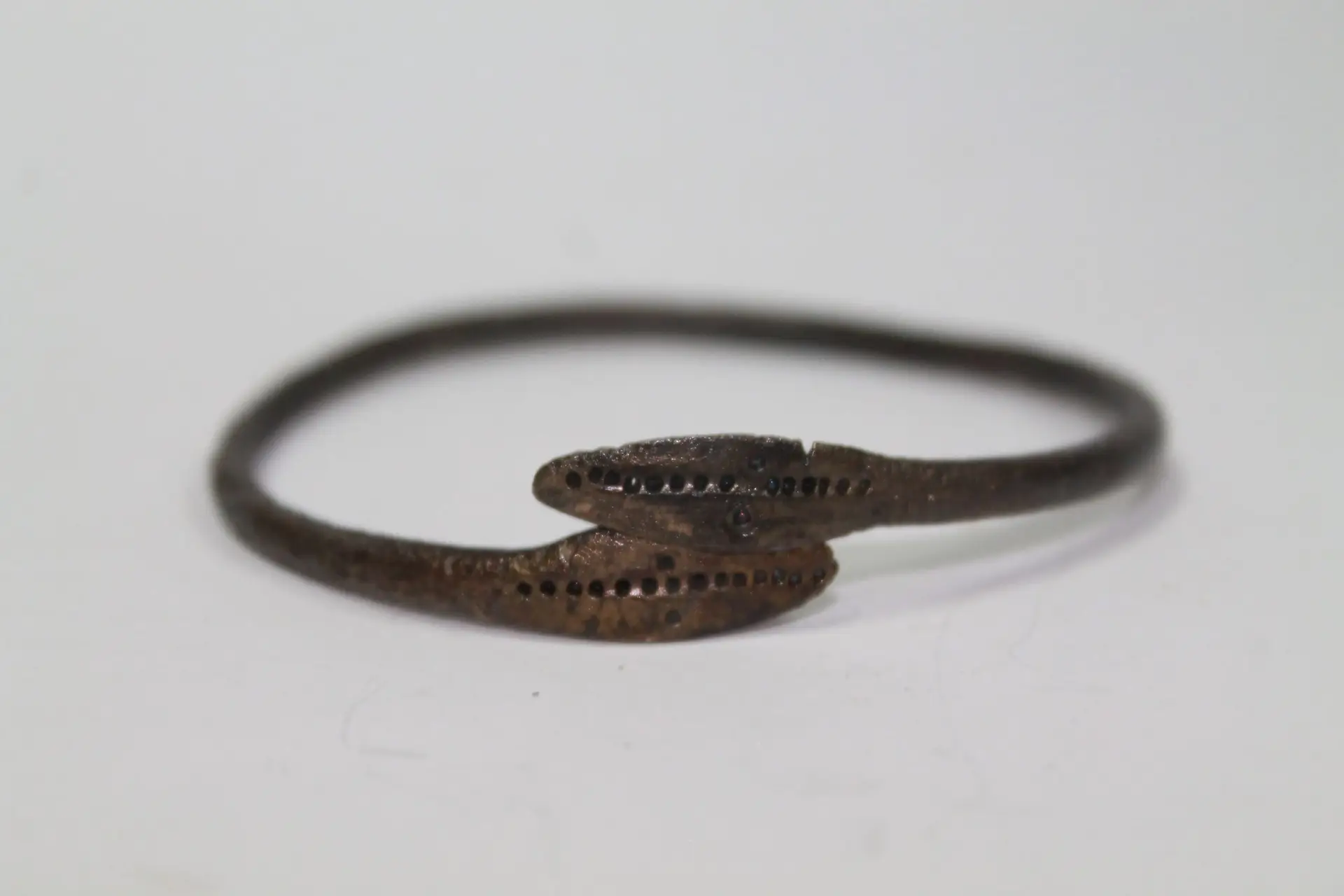
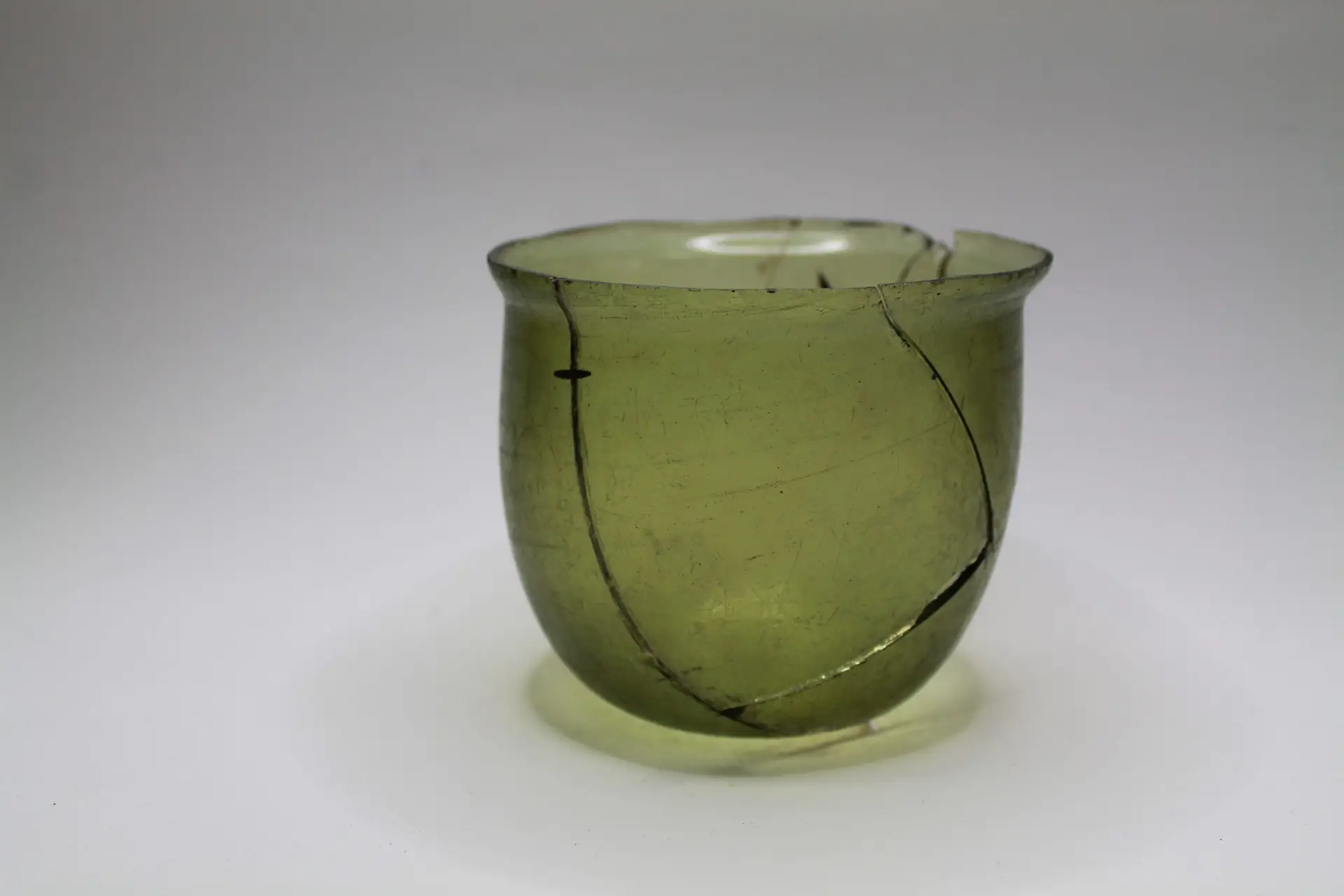
The most numerous objects in our collection from the period of Antiquity and the Late Roman Empire come from Gradina on Vencać and the nearby necropolis. Outstanding examples of craftsmanship include glass cups, decorative bone objects, fibulae, and especially jewelry (rings, earrings, necklaces). In addition to everyday objects, the collection also contains stone sculpture: a marble lion, part of an ancient tomb found in Gorovič, and the head of a woman from Gornja Trešnjevica, carved in the 3rd century.
Many objects have been discovered at Late Antique sites believed to preserve the remains of Roman rural villas, such as those at Skenderovac in the village of Maskar, at the Ada Kale and Vićija sites in Belosavci. These finds clearly testify to the character of the settlements: iron tools and weapons, ceramic vessels for cooking and storing food, as well as bronze and silver coins.
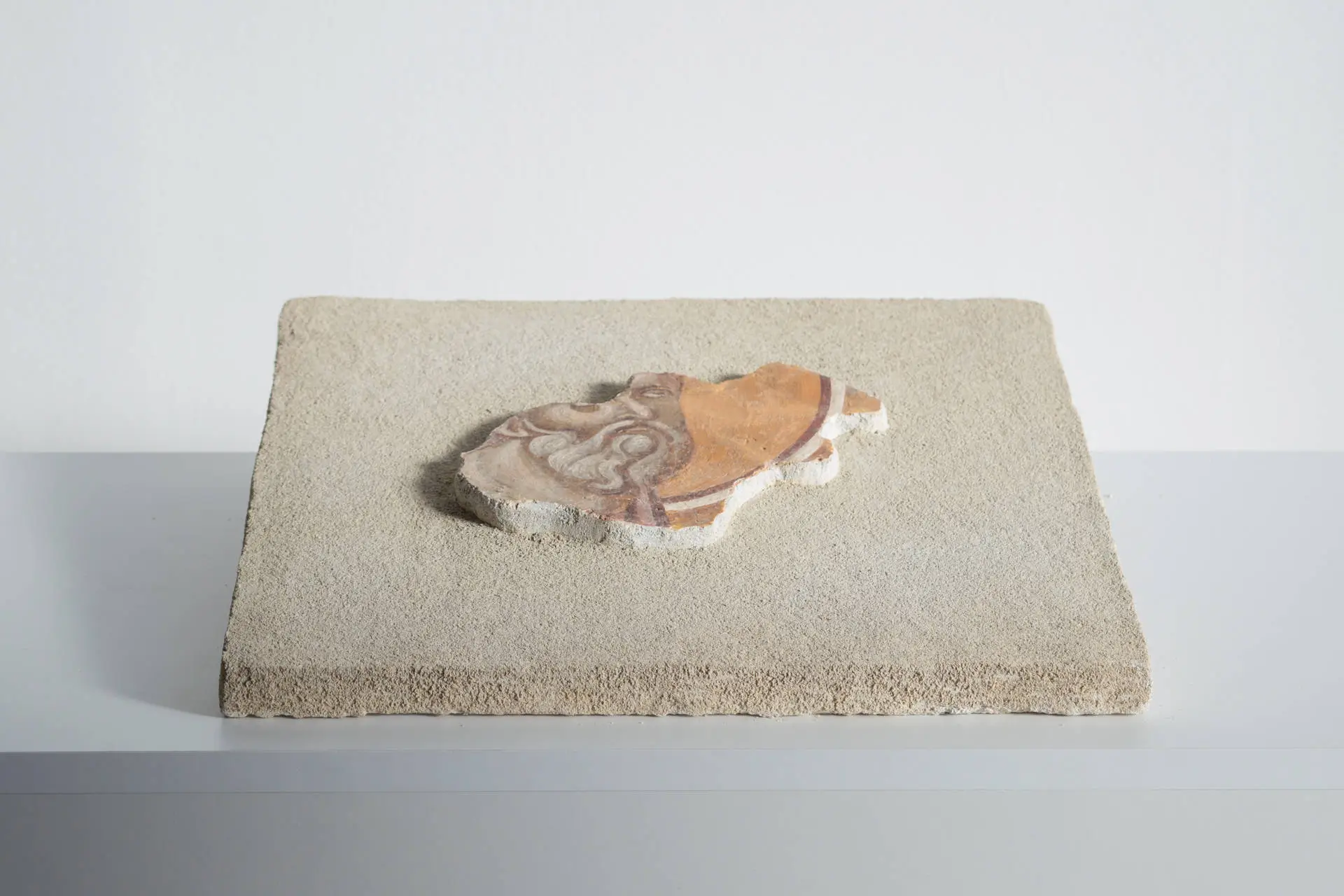
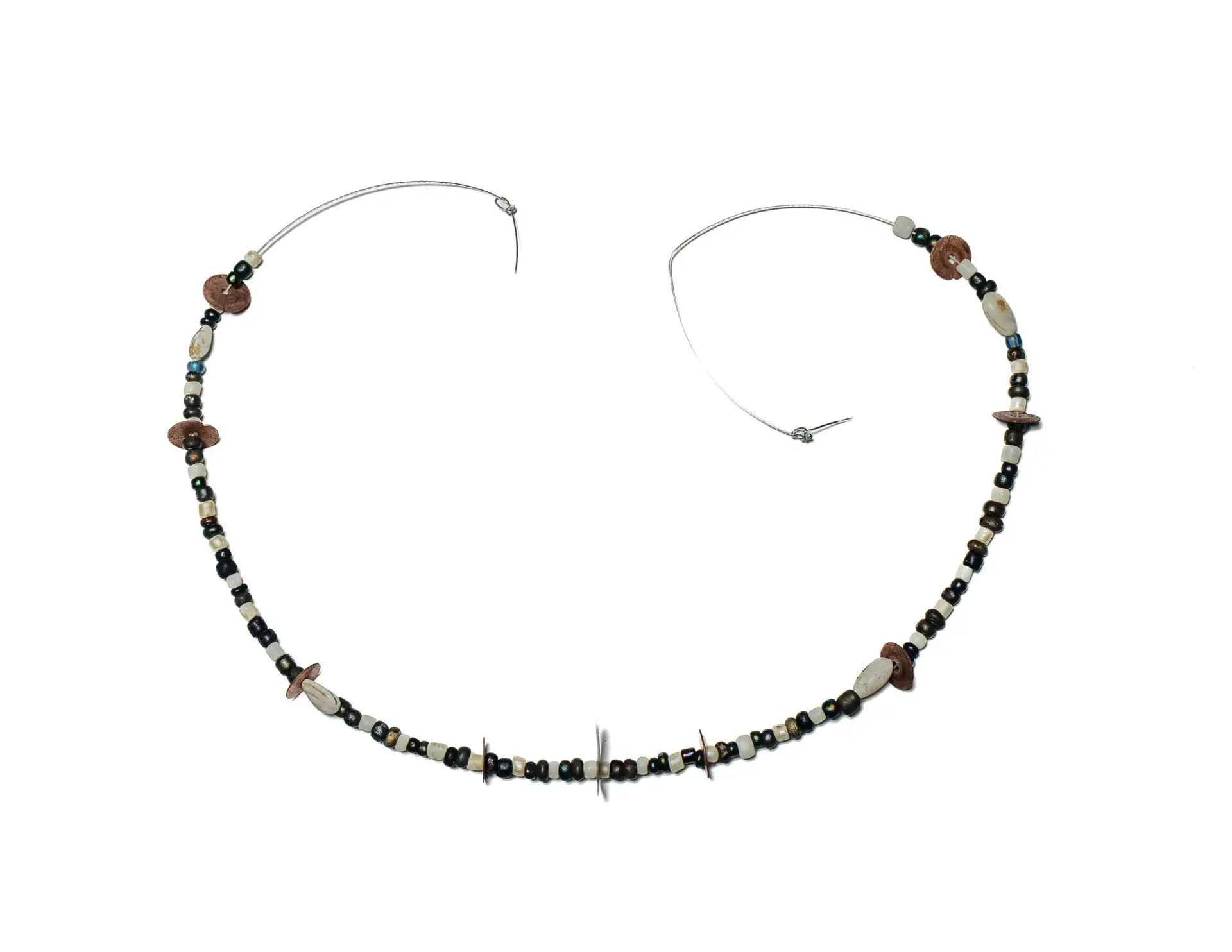
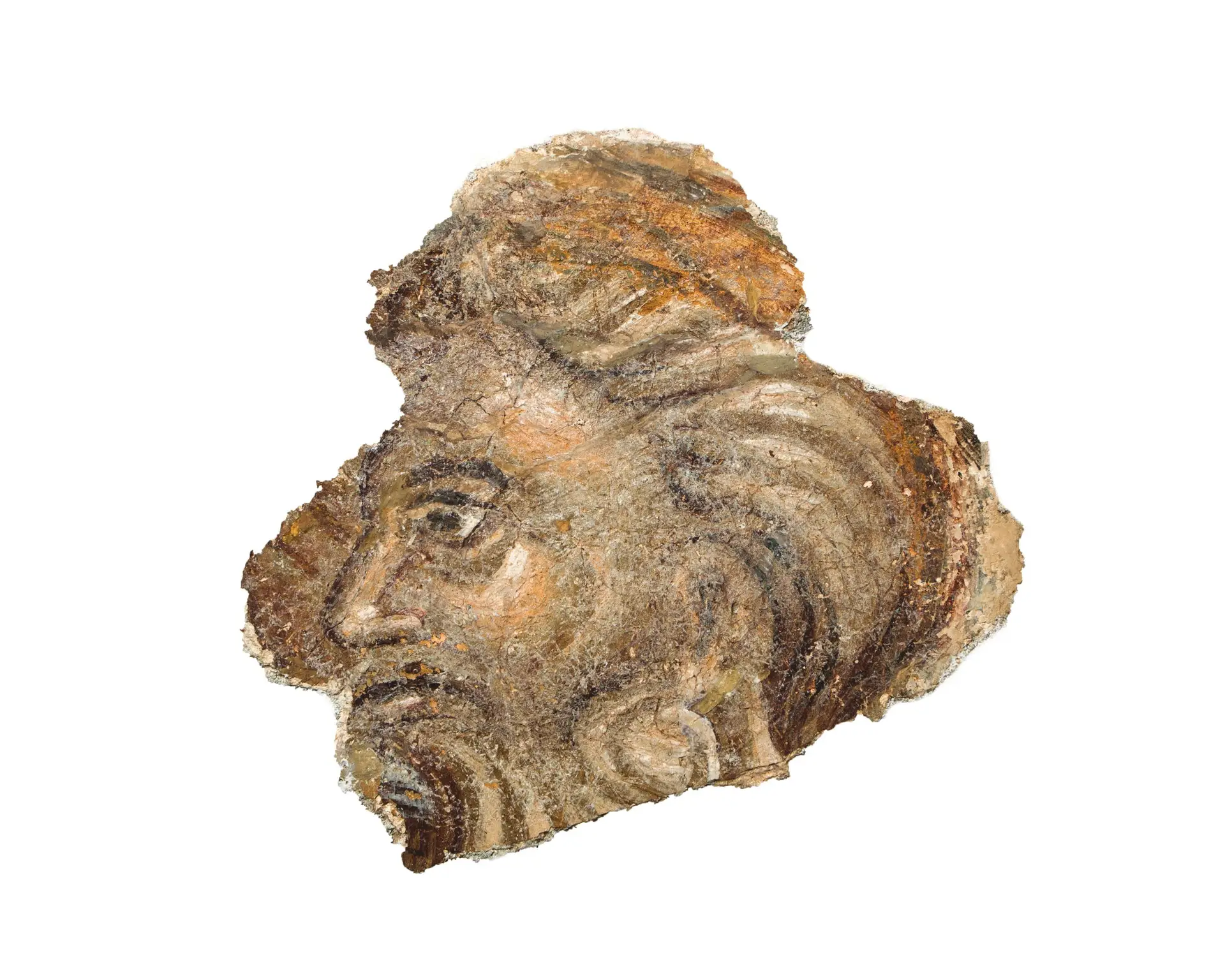
Decorative and functional objects such as clasps, rings, buttons, beads from necklaces, as well as everyday items like ceramic vessels and coins, form part of the medieval museum collection. Most of them were discovered at the site of Dvorine – Hungarian Cemetery and originate from graves within the necropolis or from medieval layers, while a smaller number come from the site of Đura’s Cells. A special place in the collection is held by fragments of medieval wall paintings, which testify to the high skill of the icon painters who decorated churches in this region during the 14th and 15th centuries.
Numerous objects from the Ottoman period found at both sites indicate that life and activity continued there long after the fall of the Serbian state.
Curator Vladan Milivojević, Archaeologist
Tickets can be purchased and visits to the museum and other sites can be reserved at the addresses listed below.